

Managing the liability considerations NP-run TMS clinics can’t ignore involves far more than just meeting basic scope-of-practice requirements. In clinical practice, significant liability can quickly arise from governance gaps, documentation failures, and supervision breakdowns across your care team. While running a specialized neurotherapy practice carries inherent operational exposure, most legal and clinical risk is entirely manageable when addressed proactively. Establishing a structured, defensible governance framework protects both your patients and your long-term business equity.
Key Takeaways
- Liability extends beyond the treating NP. Clinic owners, supervisors, and business entities all carry exposure. Written protocols, documentation, and credentialing reduce that risk across the board.
- Governance failures create more exposure than isolated clinical mistakes. State scope-of-practice rules determine how your clinic may operate, and gaps in compliance create the conditions for claims.
- At DigiRX, compliance, governance, and digital strategy work as one system. Compliant messaging and strong Local SEO reinforce referral trust. That protects long-term growth.
Why Are Liability Considerations Different for TMS NP-Run Clinics?
Operating an NP-run TMS clinic creates multiple layers of legal responsibility because liability often extends beyond the individual clinician. It can also affect the business entity, leadership team, and supervising professionals.
Unlike many outpatient behavioral health services, TMS involves repeated treatments with an FDA-cleared medical device. It also requires standardized protocols, documented patient screening, and ongoing monitoring. Each operational process affects patient safety, regulatory compliance, and organizational risk.
Healthcare organizations increasingly face evaluation based on whether leadership established effective systems for supervision, competency assessment, and quality assurance, rather than focusing only on individual provider actions.
For clinic owners, governance plays a direct role in risk management and long-term operational stability.
Key liability responsibilities often include:
- Clinical decision oversight
- Business policy implementation
- Staff hiring and competency
- Documentation systems
- Equipment maintenance
- Billing compliance
- Marketing oversight
A proactive governance framework helps identify operational gaps before they lead to patient-safety issues, claims, or regulatory problems, and supports the kind of operational discipline that effective SEO for medical practices depends on.
Why is liability shared?
Liability may extend beyond the treating clinician because safe healthcare delivery depends on coordinated clinical and operational systems.
Incomplete documentation, outdated training records, or missing emergency procedures can expose the organization to negligence claims even when the NP exercises appropriate clinical judgment.
This shared responsibility becomes even more important for organizations expanding into new markets or managing multiple service lines.
Why does governance matter?
In a malpractice or negligence claim, the adequacy of the clinic’s policies, supervision, and safety systems may become relevant to how responsibility is evaluated.
That review commonly includes:
- Written policies
- Incident reporting
- Peer review
- Credential verification
- Equipment servicing
- Staff supervision
Strong governance demonstrates that patient safety relies on standardized operational processes instead of informal decision-making.
How Does Scope of Practice Affect Clinic Liability?
Every NP-run TMS clinic must operate within state-specific nurse practitioner regulations before providing treatment.
State scope-of-practice rules determine whether NPs may practice independently or require physician collaboration, supervision, or formal delegation.
Scope-of-practice authority continues to evolve through state legislation, and clinic leadership should review these requirements regularly to support ongoing compliance.
As noted in the Journal of Policy Analysis and Management,
“Granting full practice authority to nurse practitioners does not increase patient harm, but it does shift legal accountability directly onto the NP, making state-specific compliance and governance structures more critical than ever.” –Journal of Policy Analysis and Management.
Owners should not assume that an operational model used successfully in one state will meet regulatory requirements in another.
Before launching or expanding services, clinics should verify:
- Independent practice authority
- Prescriptive authority
- Physician supervision requirements
- Delegation rules
- Procedure permissions
- Collaborative agreement requirements
Regulatory changes can affect staffing models, clinical oversight, and compliance requirements, so owners should review applicable rules regularly.
What should owners verify before opening?
Legal due diligence should extend beyond professional licensure.
Clinic leadership should evaluate whether state regulations permit:
- NP ownership
- Performance of TMS procedures
- Clinical supervision responsibilities
- Medical director requirements
- Employment relationships
- Delegation authority
Misalignment between the clinic’s business structure and state requirements can increase exposure to unauthorized-practice or negligent-supervision allegations.
Why can’t owners assume national consistency?
Each state nursing board establishes its own scope-of-practice requirements.
A workflow that complies with regulations in Washington may require physician oversight in another state.
Regular legal review helps protect operational continuity, supports compliance, and reduces avoidable business risk as regulations evolve.
Why Does Clinic Ownership Structure Matter?
Ownership structure directly affects operational accountability and regulatory compliance.
Some states restrict how medical practices may be owned or controlled through Corporate Practice of Medicine rules and related requirements. Clinics may use structures such as professional corporations and management services organizations where permitted by state law.
An organizational structure that does not comply with applicable state law can create risks involving improper clinical control, fee-splitting, or other regulatory violations.
| Ownership Consideration | Operational Impact |
| Business entity | Regulatory compliance |
| Medical director | Clinical oversight |
| NP authority | Scope compliance |
| Employment structure | Liability allocation |
| Management company | Operational support |
Strong governance starts with ownership documents that accurately reflect how the clinic operates every day.
What creates unnecessary exposure?
Nominal supervision creates significant legal risk. If a physician appears on paper only to satisfy regulatory requirements without providing meaningful oversight where required, plaintiffs may argue that the clinic failed to meet its statutory responsibilities.
Non-clinical managers should also avoid directing clinical decisions. Governance failures often become a central issue during litigation.
What Clinical Protocols Should Every TMS Clinic Have?
Standard operating procedures reduce variability and strengthen legal defensibility across every patient encounter.
Published TMS safety recommendations support standardized screening, contraindication reviews, emergency response planning, and equipment maintenance throughout treatment.
Standardized protocols create consistent expectations across the care team and reduce reliance on informal clinical practices.
Essential SOPs should address:
- Patient eligibility screening
- Contraindication assessment
- Medication review
- Coil positioning
- Treatment parameters
- Emergency procedures
- Adverse event reporting
- Escalation pathways
- Equipment maintenance
Protocols reduce liability only when staff follow them consistently and documentation confirms compliance.
Which SOPs are essential?
High-performing organizations typically maintain procedure-specific documentation for every operational step.
These policies often include:
- Intake workflows
- Clinical escalation
- Session monitoring
- Emergency drills
- Device calibration
- Documentation templates
Consistent processes across departments reduce confusion and support quality assurance efforts.
Why are protocols important?
Well-designed and consistently followed protocols can help demonstrate organizational diligence.
If treatment decisions are challenged later, documented compliance with written procedures shows the clinic followed established standards instead of inconsistent individual practices.
Why Is Staff Credentialing a Major Liability Issue?

Clinic owners remain responsible for confirming that every employee has the appropriate qualifications before participating in patient care.
Credentialing extends beyond license verification. It includes competency assessments, continuing education, annual reviews, anddocumented competency with the specific FDA-cleared TMS device and applicable treatment protocols.
Negligent hiring and inadequate supervision may become separate allegations alongside a malpractice claim, depending on the circumstances and applicable state law.
Proper credentialing programs commonly include:
- Active licensure verification
- Device competency validation
- Annual skills assessments
- Emergency response drills
- Continuing education
- Policy acknowledgment
- Peer review participation
As clinics expand across multiple locations, standardized credentialing processes support consistent operational quality across the organization.
What documentation should be maintained?
Every personnel file should document competency throughout employment.
Documentation typically includes:
- Professional licenses
- Certifications
- Training completion
- Annual evaluations
- Continuing education records
- Incident follow-up
- Performance improvement plans
These records strengthen organizational accountability and support accreditation and audit readiness.
Why does this matter?
Incomplete competency records often expand litigation beyond the original clinical event.
Comprehensive credentialing demonstrates that leadership exercised reasonable care in hiring, training, and staffing decisions.
How Can Documentation Reduce Legal Risk?
Complete documentation can strengthen a clinic’s defense against malpractice claims by showing how clinical decisions, informed consent, monitoring, and follow-up were handled.
For NP-run TMS clinics, documentation should support both clinical continuity and organizational accountability. Published rTMS safety recommendations emphasize structured documentation across patient screening, treatment, and follow-up rather than relying only on procedural notes.
Healthcare litigation often centers on what the medical record documents, not what staff remember. A missing assessment or undocumented discussion may be interpreted as never having occurred.
Every patient record should consistently include:
- Diagnosis and medical necessity
- Screening for contraindications
- Medication review
- Treatment parameters
- Coil positioning (when applicable)
- Session response
- Follow-up recommendations
- Adverse event documentation
- Clinician signature
As organizations expand, standardized documentation templates reduce variation across providers and improve audit readiness.
What belongs in every patient record?
Documentation should create a complete clinical record from intake through discharge.
Common elements include:
| Documentation Element | Purpose |
| Diagnosis | Supports clinical justification |
| Medical necessity | Demonstrates treatment rationale |
| Contraindications | Documents patient safety review |
| Informed consent | Confirms discussion of risks and alternatives |
| Treatment parameters | Records procedural consistency |
| Progress notes | Tracks treatment response |
| Follow-up plan | Supports continuity of care |
Why is outcome tracking valuable?
Outcome monitoring strengthens patient management and organizational risk control.
Consistent measurement shows that the clinic evaluates treatment progress rather than only delivering scheduled sessions.
What Should Informed Consent Include for TMS?
Comprehensive informed consent reduces misunderstandings by documenting realistic expectations before treatment begins.
Consent discussions should go beyond obtaining a signature. They should document that patients received clear information about expected benefits, treatment limitations, potential adverse effects, available alternatives, and the overall treatment process.
Clinics using FDA-cleared TMS devices should follow manufacturer instructions and applicable clinical guidance while ensuring patients understand the treatment pathway.
Effective consent discussions generally address:
- Expected treatment duration
- Possible adverse effects
- Headache or scalp discomfort
- Rare seizure risk
- Alternative treatment options
- Follow-up expectations
- Situations requiring reassessment
Informed consent should not remain a one-time administrative task. It should be updated whenever the treatment plan changes in a meaningful way.
What topics deserve discussion?
Organizations commonly standardize consent conversations around:
- Expected outcomes
- Variable response rates
- Treatment limitations
- Potential side effects
- Alternative interventions
- Follow-up planning
Why does detailed consent matter?
Clear communication reduces disputes related to unmet expectations.
When consent documentation reflects meaningful discussion instead of a completed form, clinics strengthen patient trust and improve legal defensibility.
According to research published in StatPearls via the NIH National Library of Medicine,
“Informed consent protects clinicians by documenting that patients were adequately informed, directly reducing legal liability in the event of adverse outcomes, but only when the process reflects genuine discussion rather than a completed form.” –National Library of Medicine.
How Can Billing and Advertising Create Liability?
Business operations create legal exposure separate from clinical care.
Clinic owners often associate liability with malpractice. Regulatory investigations, however, frequently begin with billing irregularities, inaccurate marketing claims, or documentation that does not support reimbursement.
Federal healthcare enforcement actions illustrate how medically unnecessary services, improper supervision, and inaccurate billing documentation can create significant regulatory and financial exposure. These cases illustrate that compliance risk can extend beyond clinical treatment to billing, supervision, documentation, and marketing practices.
Common compliance risks include:
| Business Activity | Potential Liability |
| Advertising | Misleading claims |
| Testimonials | Privacy violations |
| Billing | False Claims Act exposure |
| Documentation | Unsupported reimbursement |
| Medical necessity | Claim denials and audits |
Marketing materials should accurately describe FDA-cleared indications. They should not overstate clinical outcomes or imply guaranteed success.
What should owners avoid?
Risk increases when organizations publish unsupported statements such as:
- Guaranteed treatment outcomes
- Claims beyond FDA-cleared indications
- Misleading success statistics
- Unsupported comparative claims
- Billing for undocumented services
At DigiRX, we encourage clinics to align marketing content with clinical documentation, including local services ads for healthcare providers. This approach keeps public messaging consistent with delivered services, supports regulatory compliance, and strengthens long-term credibility.
Why Is TMS Considered a Protocol-Driven Procedure?
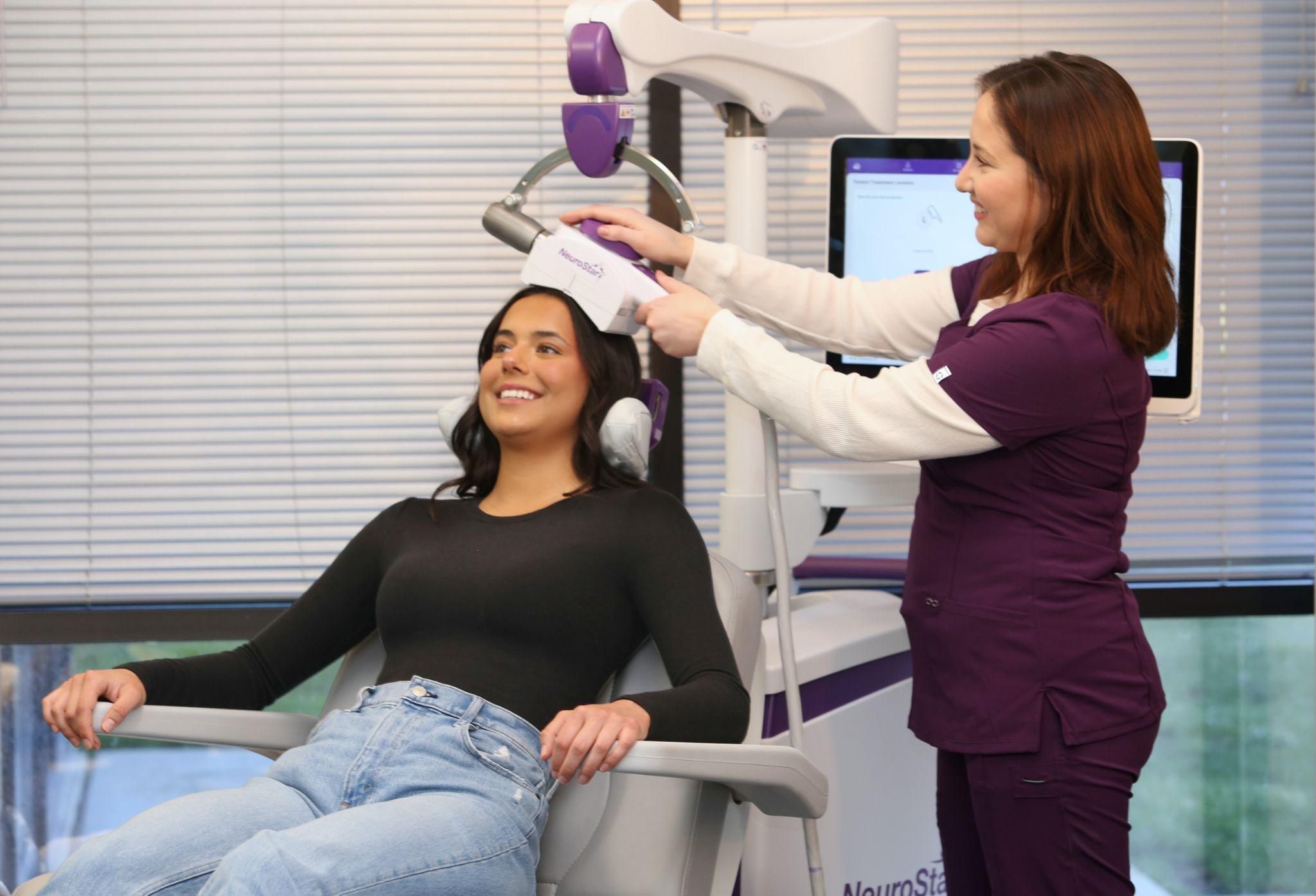
TMS depends on standardized operational processes rather than individual provider preferences.
Unlike many outpatient encounters, TMS typically includes multiple treatment sessions delivered over several weeks.Repeated treatment sessions increase opportunities for documentation inconsistencies, communication gaps, and operational errors.
Consensus safety recommendations emphasize structured protocols for:
- Medication review
- Contraindication assessment
- Suicide risk workflow
- Device maintenance
- Session monitoring
- Emergency preparedness
Each process supports risk reduction because consistent operations improve patient safety and organizational reliability.
Which operational risks deserve attention?
Owners should routinely evaluate:
- Equipment maintenance logs
- Coil calibration
- Session scheduling accuracy
- Adverse event reporting
- Emergency drills
- Staff competency refreshers
Why are repeated treatments significant?
Repeated encounters increase cumulative operational exposure.
Even minor documentation errors can multiply across dozens of treatment sessions. Standardized workflows become even more valuable as patient volume grows.
Who May Be Liable When Something Goes Wrong?
Depending on the circumstances and applicable state law, responsibility may extend beyond the treating clinician to other individuals or entities.
Courts frequently evaluate how governance, staffing, supervision, documentation, and operational policies contributed to an adverse event.
| Responsible Party | Potential Exposure |
| Nurse Practitioner | Clinical malpractice |
| Clinic owner | Operational negligence |
| Medical director | Clinical oversight, where applicable |
| Clinic entity | Corporate liability |
| Management organization | Administrative oversight |
The exact allocation of liability depends on state law, contractual relationships, and documented responsibilities.
Why is liability rarely isolated?
Legal claims often examine:
- Hiring decisions
- Staff supervision
- Clinical protocols
- Training documentation
- Equipment oversight
- Governance structure
Organizations with clearly documented responsibilities often demonstrate stronger operational control than those relying on informal workflows.
How Can Owners Reduce Liability Through Risk Management?

Alt tex: Infographic explaining NP ownership, CPOM laws, regulatory paths, and a practice startup checklist.
Preventive risk-management systems help clinics identify and address operational problems before they develop into claims or compliance issues.
TMS organizations can strengthen risk management by integrating compliance into daily operations rather than treating it as an annual legal review.
Routine risk management should include:
- Written SOPs
- Internal compliance audits
- Incident reporting
- Annual policy review
- Documentation audits
- Equipment inspections
- Staff competency evaluations
No organization can eliminate every liability risk. Standardized processes reduce preventable operational failures before they become legal disputes.
Why should compliance become routine?
Organizations that identify risks early often reduce repeated operational errors.
Monthly quality reviews also strengthen readiness for payer audits, accreditation surveys, and the kind of credibility that supports national SEO for healthcare and long-term practice visibility
Which Insurance Policies Should NP-Run TMS Clinics Carry?
Different insurance policies address different areas of clinical, business, employment, cyber, and organizational exposure.
Professional liability insurance protects against malpractice claims. Organizations should also evaluate business-related risks that extend beyond direct patient care.
Common coverage may include:
- Professional liability insurance
- General liability insurance
- Cyber liability coverage
- Employment practices liability
- Property insurance
- Directors and Officers (D&O) coverage
- Tail coverage for claims-made policies where appropriate
Insurance should complement strong governance, documentation, and operational controls. It should not replace them.
Why isn’t malpractice insurance enough?
Business claims often involve employment practices, cybersecurity incidents, contractual disputes, or corporate governance issues. These risks typically fall outside traditional malpractice coverage.
How Can DigiRX Support Compliance and Operational Risk Reduction?
Compliance delivers better results when governance, documentation, marketing, and operational systems work together.
Many healthcare organizations now build compliance into daily operations instead of treating it as an occasional legal review. This approach supports stronger operational consistency and reduces unnecessary risk.
At DigiRX, we work with healthcare organizations to strengthen operational consistency through:
- Compliance-focused content strategies
- Local SEO aligned with healthcare regulations
- Documentation-driven marketing workflows
- Transparent reporting dashboards
- Reputation management systems
- Ongoing website governance
For TMS practices with physical locations, Local SEO can also strengthen online credibility. Accurate Google Business Profile information, consistent directory listings, and location-specific healthcare content help maintain a consistent digital presence for referral partners and prospective patients. They also improve local search visibility and support long-term practice growth.
Our role is not to replace legal counsel or compliance officers. We help clinics align their digital presence with the same operational discipline they apply throughout the practice.
Build a Stronger NP-Run TMS Practice
Liability considerations for TMS NP-run clinics extend beyond patient care. Clear governance, proper documentation, defined clinical responsibilities, and consistent risk-management processes help protect both patients and the practice. Small steps can prevent bigger problems later.
Once your clinic has a strong foundation, patients still need to find you. DigiRX helps healthcare practices grow with HIPAA-aware SEO, compliant marketing, and clear reporting. Ready to strengthen your online presence?
Visit DigiRX to learn how DigiRX can help your practice reach more patients.
FAQ
What type of malpractice insurance does a nurse practitioner need to run a TMS clinic?
Nurse practitioners running TMS clinics need professional liability insurance. The policy should clearly address TMS treatment and any off-label protocols the clinic may use, subject to the insurer’s coverage terms and exclusions.
Claims-made policies may require tail coverage or another form of extended reporting protection after coverage ends. Clinics should confirm how prior acts and reporting periods are handled before terminating or changing coverage.
An occurrence policy covers incidents regardless of when the claim is filed. Confirm coverage for TMS adverse effects and seizure risk before treating your first patient.
Does a nurse practitioner need a supervising physician to perform TMS legally?
It depends on your state. Some states allow full independent practice for nurse practitioners. Others require a collaborative agreement or supervising physician.
Even in states that allow independent NP practice, some payers may impose additional requirements for TMS billing or clinical oversight. Check your state board’s scope of practice rules. Also review your payer contracts before structuring your clinical oversight model.
What should a TMS informed consent document cover to reduce liability exposure?
The informed-consent process should address relevant TMS risks, potential adverse effects, treatment limitations, and available alternatives. Where clinically relevant, discuss seizure risk and other potential effects supported by current evidence. Include what happens if the patient does not respond.
Document that the patient received and understood the consent. A signed form alone is not enough. Your audit trail must confirm the conversation happened.
How does the Corporate Practice of Medicine doctrine affect NP-run TMS clinic ownership?
Many states prohibit non-physicians from owning medical practices directly. This is called the Corporate Practice of Medicine doctrine. Where permitted by state law, some healthcare organizations use a professional corporation and management services organization (PC-MSO) structure to separate clinical practice from administrative functions.
That means a professional corporation paired with a management services organization. An improperly structured arrangement may create risks involving corporate-practice restrictions, fee-splitting rules, or federal and state fraud-and-abuse laws. Have a healthcare attorney review your ownership structure before you open.
What documentation practices reduce malpractice risk in a TMS clinic setting?
Every TMS session needs a treatment note. Document patient response, treatment parameters, adverse effects, and clinician identity. Store screening records and contraindication reviews in your electronic health record.
Keep a clear audit trail for every entry. Documentation gaps are frequently cited in malpractice claims to establish breach of duty. Consistent records are your strongest clinical defense.


